Botox: Definition and Areas of Use
Botox is a medical procedure performed using a protein called botulinum toxin. Botulinum toxin works by blocking nerve signals, causing temporary paralysis of the muscles. Botox is used for various medical and cosmetic purposes. In cosmetic applications, it is most commonly used to reduce wrinkles and create a rejuvenating effect. It is also used in the treatment of migraines, excessive sweating, muscle disorders, and certain eye conditions. For information on this topic and to ask your questions, you can browse relevant online companies on the internet and examine them in detail.
How Botox Works and Application Process
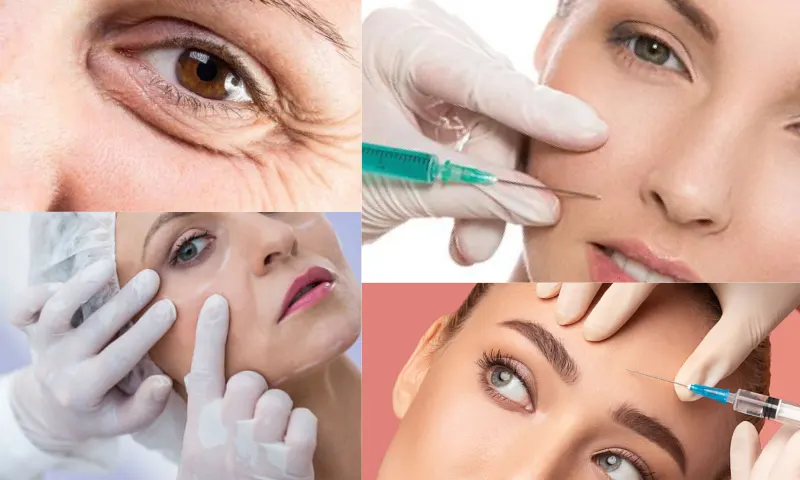
Botox reduces wrinkles by temporarily paralyzing muscles. Using a needle, botulinum toxin is injected into specific muscles. This relaxes the muscles and prevents them from contracting, thereby improving the appearance of wrinkles on the skin. Botox applications are generally quick and relatively painless. Results are usually visible within a few days to a few weeks, and their effects typically last for 3 to 6 months.
Risks and Side Effects of Botox
Botox is generally considered a safe procedure, but it can have side effects and risks. The most common side effects include temporary swelling, redness, headache, and mild pain or tenderness at the injection site. Rarely, serious side effects such as eyelid drooping or temporary alteration of facial expressions may occur. Therefore, Botox should only be administered by licensed healthcare professionals. Botox can be an effective treatment option for various medical and cosmetic purposes. However, you should communicate openly with your doctor before and after the procedure and understand the risks and side effects. Since the effect of Botox is temporary, it may need to be repeated regularly. Before any Botox procedure, it is important to consult with a healthcare professional to create a plan tailored to your individual needs and health status.