What is a Personnel Tracking System and How Does It Work?
How Does a Personnel Tracking System Work?
There are tracking systems used by employers who employ a large number of personnel to monitor their staff. These systems, called personnel tracking systems, allow employers to monitor not only the entry and exit times of their personnel but also situations such as arriving late, leaving early, and overtime. You can visit the page for detailed information about this system, which is a type of computer software.
Types of Reports a Personnel Tracking System Can Provide
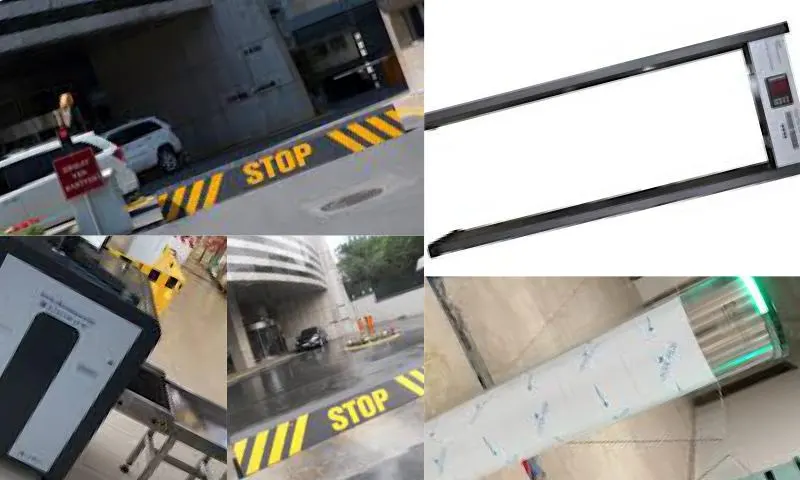
Supervisory systems used by employers to monitor their employees and distinguish between productive and underperforming employees are called personnel tracking systems. This system is a tracking system developed to reveal the difference between personnel who are dedicated to their work and those who do not care about their work and are therefore unproductive, and to take action regarding unproductive personnel. There are different models of the system. Facial recognition and fingerprint reader systems are the most preferred tracking systems. These systems make it easy to identify personnel who arrive late or disrupt work. The system, installed at entry and exit points, has the feature of reporting personnel who pass through and exit at the end of working hours. If the employer wishes, they can have the tracking screen installed in their own office to monitor personally.
Personnel tracking systems are preferred in large enterprises. This system, installed for both tracking and security purposes, reports the entry and exit time information of the personnel entering and exiting the enterprise. It provides reports on personnel on leave. It reports on personnel who are present and absent. It reports on overtime. It reports on monthly working hours. Enterprise productivity can be increased through facial recognition, fingerprint readers, and card-based security systems. You can visit the page for information about the advantages and installation of the system.