
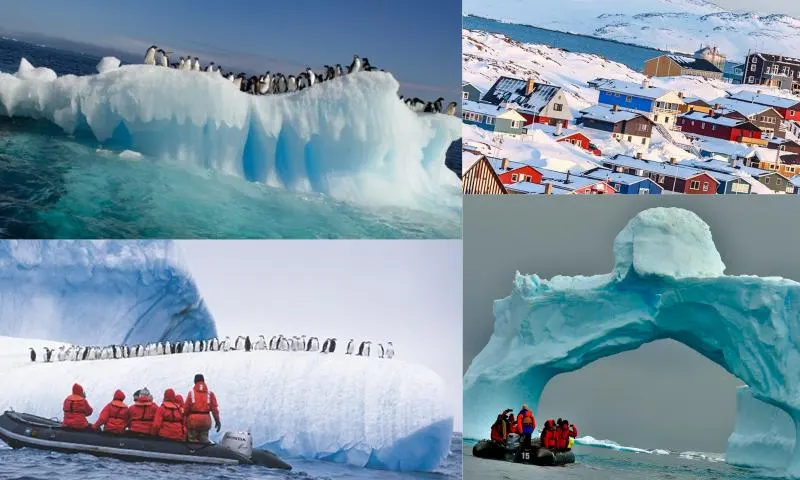
The Coldest Continent on Earth
Antarctica, located at the southern tip of the Earth, is a continent almost entirely covered by ice. This ice sheet, with an average thickness of 2 kilometers, holds about 70% of the planet's freshwater reserves. For a large part of the year, temperatures are well below freezing; therefore, there is no permanent human settlement here. However, there are researchers who stay year-round in bases established for scientific research. Antarctica is a marvel of nature that inspires awe with its snow and ice-covered landscapes, penguin colonies, and giant icebergs. To get information on this subject and ask your curious questions, you can look at related online companies on web pages and examine them in detail from here.
The Frontier of Science: Research Bases and Discoveries
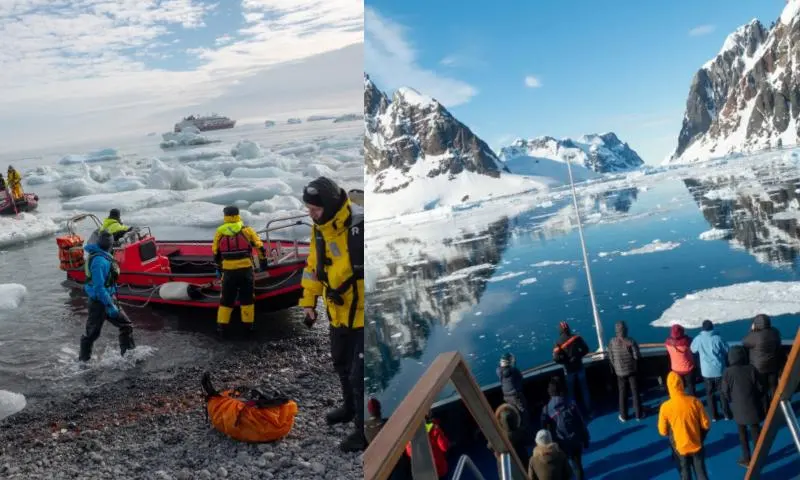
Antarctica is of great importance for scientific research. Many countries establish research bases on this continent to conduct studies on climate change, space conditions, marine life, and geological structure. Many subjects, from underwater creatures to atmospheric movements, can be observed here. Thanks to the Antarctic Treaty, it does not belong to any country; thus, it is allowed to be used only for peaceful and scientific purposes. Glacier measurements, which are carried out regularly every year, are also very valuable for predicting the Earth's future climate.
Life in the Endless White
Life in Antarctica continues despite the harsh climatic conditions. Penguins, seals, and some bird species are among the unique inhabitants of this continent. Humans are present only temporarily at research stations. Tourism is limited; some special tours are organized to the coasts during specific seasons. These visits, conducted with minimal interference with nature, are of great importance for the preservation of Antarctica. Visitors witness the magnificence of the glaciers, the depth of the silence, and the natural life of polar animals. Antarctica is a silent but powerful reminder: life exists even at the extreme ends of the Earth, and this life deserves careful protection.