
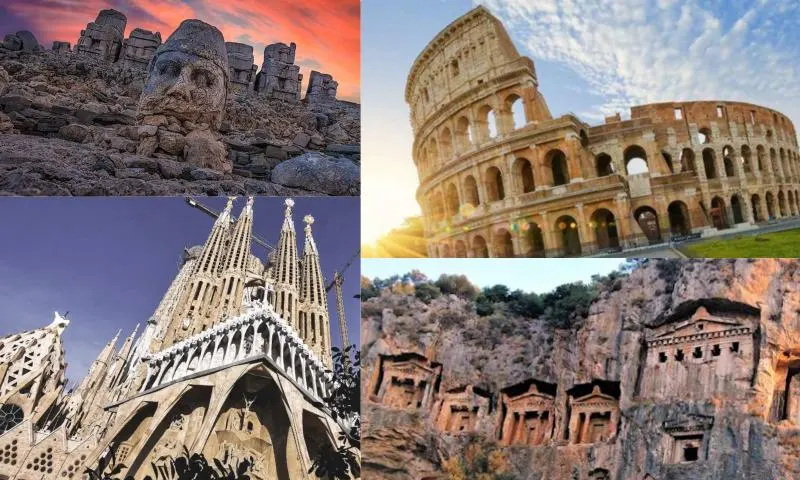
The Cultural Significance of Historical Sites
Historical sites are places that carry the traces of human history and reflect the important moments of the past. These places carry the culture, traditions, and ways of life of a people to the present day. Ancient cities, castles, temples, and museums are the most important symbols that show the intellectual and artistic accumulation of that period. Historical structures located all over the world, each a product of a different culture, offer people a deep insight into the past. These places not only help us understand that period but also help us empathize with the people of that period. For example, the pyramids of Egypt, the ruins from the Roman Empire, or the ancient cities in Anatolia, carry not only archaeological but also cultural and historical value. When visitors encounter these structures, they embark on a historical journey by seeing the traces of the past. In order to get information on this subject and to ask the questions you are curious about, you can look at the relevant online companies on the internet pages and examine them in detail from here.
The Role of Historical Sites in Tourism
Historical sites have great importance in terms of tourism. In various villages, towns, and large metropolises around the world, historical places attract the attention of tourists. Millions of people travel every year to visit historical sites and learn more closely about the past of these places. This situation provides a great contribution to both the local people and the regional economy. Historical sites not only revitalize tourism but also enable the organization of various cultural events, festivals, and exhibitions. Structures included in the UNESCO World Heritage List are recognized internationally and their protection is ensured. Thus, historical sites reach wider audiences, offering an experience that is both educational and entertaining. People not only follow the traces of the past in these places but also contribute to the cultural texture of the city by experiencing that period.
The Conservation and Future of Historical Sites
The preservation of historical sites is of great importance in understanding the past and transmitting it to the future. Over time, these structures can be damaged by environmental factors, weather conditions, excessive tourism, and lack of maintenance. Therefore, local governments and international organizations develop various projects to protect historical sites. These efforts ensure the protection of these places and their transmission to future generations. By raising the awareness of the local population, organizing visits to historical sites, carrying out restoration work, and using modern maintenance methods, historical sites can be made more resilient over time. It is of great importance to implement such conservation methods both to ensure the continuity of cultural heritage and to provide a healthy experience to visitors. Historical sites play an important role in both exploring the past and preserving cultural heritage. Each site carries a different piece of human history to the present day, and the preservation of these places is a great responsibility that must be passed on to future generations.