
How to Correct Farsightedness with Glasses and Lenses?
Farsightedness is a condition where a person cannot clearly perceive nearby objects. This eye discomfort is a condition that occurs with age and is associated with the loss of flexibility of the eye's lens. Genetic factors, environmental factors, or other health problems can also contribute to this condition. Farsightedness can affect a person's daily life and can cause difficulties in activities at close range, such as reading and writing. To get information about this issue and ask your questions, you can look at the relevant online companies on the internet pages and examine them in detail from here.
How is Farsightedness Treated?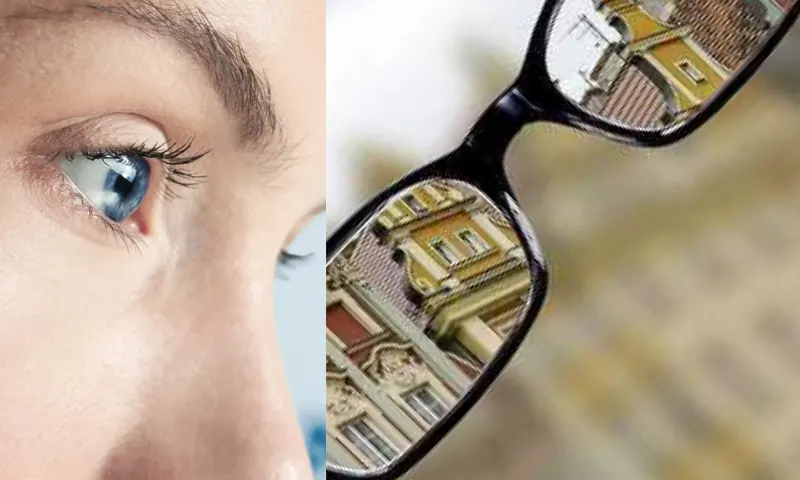
The most common methods used to correct farsightedness are glasses and lenses. Glasses and lenses regulate the focal point of light in the eye, ensuring that the image is perceived clearly. Based on an eye examination by an expert optometrist or ophthalmologist, a prescription suitable for the individual's needs is determined, and specially designed glasses or lenses are prescribed accordingly. In this way, the person can see nearby objects more clearly and perform their daily activities more comfortably.
How Does the Farsightedness Treatment Process Progress?
The treatment process for farsightedness varies depending with the individual's eye health status and the severity of the problem. First, one must consult an eye specialist for a detailed examination. If glasses or lenses are prescribed as a result of the examination, the person should attend regular follow-up examinations. Changes in eye prescription may occur over time, and a new prescription may need to be applied based on these changes. In some cases, surgical options may be considered for farsightedness that cannot be corrected with glasses or lenses. In particular, vision is attempted to be corrected by treating eye diseases such as cataracts. Surgical interventions are applied for specific conditions determined by specialist doctors and yield effective results.