Fats Can Cause Ignition
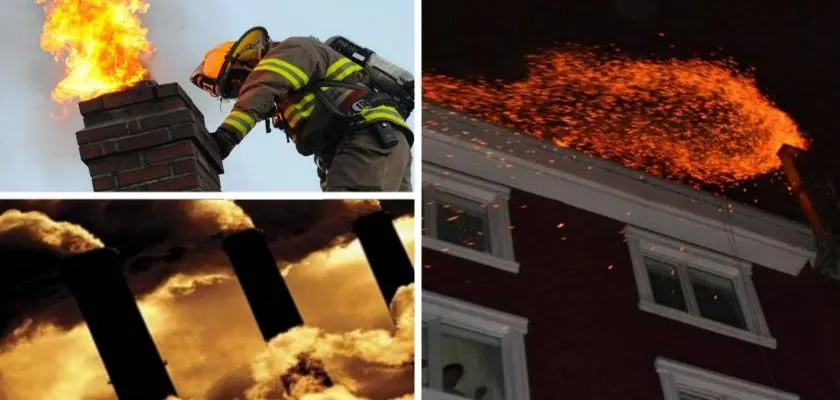
In most apartment buildings, the use of wood-burning stoves, as was common in the past, continues. Therefore, chimney cleaning has become even more important to prevent soot from falling from the chimney entrances of other apartments. A stove used in a single apartment can cause odors and ash residue in other homes. It can even lead to the formation of a solid substance like tar that can ignite. Considering these dangers, you should have your chimney cleaned immediately. Soot that blows back can be dispersed indoors by the slightest wind outside, especially during a southerly wind, increasing the risk of poisoning.
Methods for Cleaning Solidified Chimney Grime
Oiling is generally the most accurate description for solidification. Unvented smoke odors from oiled chimneys, bacterial buildup within, and insufficient operation of range hoods are all contributing factors. You can delay this oiling process by having your chimney cleaned in a timely manner. Methods such as steel brushes, disinfectants, scraping, and chemical spraying reduce the risk of oiling. Chimney interiors that can spontaneously ignite can cause rapid combustion as layers fed by oils. Oils that slow down the motor compartments can even cause malfunctions by straining the ventilation devices used. Meanwhile, the working motors will have to work harder, directly increasing the heat. Ignition will occur at this point. Degreasers known as sprays will not be sufficient for this chimney cleaning process. Steel brushes made of steel are used for chimneys that require mechanical cleaning.