
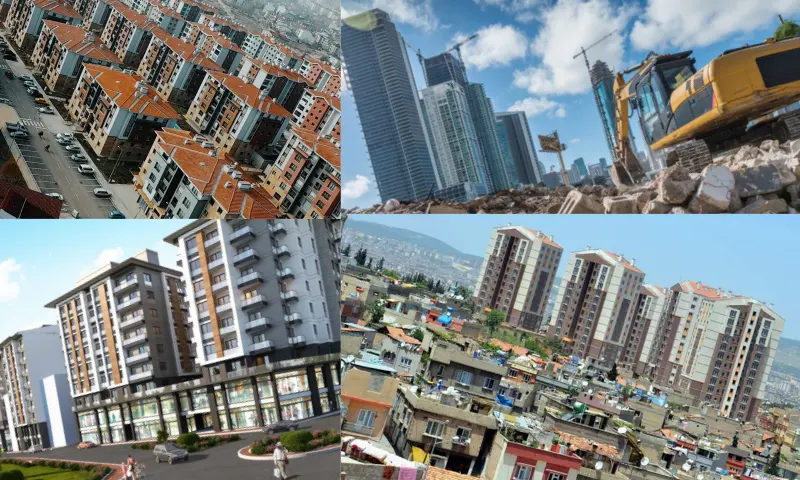
What is Urban Transformation?
Urban transformation is a process carried out for the physical, economic, and social development of cities. In this process, old and worn-out structures are generally renewed, infrastructure is improved, and environmental sustainability is aimed for. Urban transformation projects typically include elements such as the reconstruction of buildings, increasing green spaces, infrastructure improvements, and the creation of social facilities to meet societal needs. For information on this subject and to ask your questions, you can check the relevant online firms on internet pages and examine them in detail from here.
Importance and Advantages of Urban Transformation
Urban transformation has many important advantages. Firstly, the renewal of old and dilapidated structures makes cities more aesthetically attractive. This increases tourism potential and contributes to the local economy. Furthermore, infrastructure improvements and more modern structures improve the quality of life and ensure that people live in a safe and healthy environment. Urban transformation projects also contribute to increasing green spaces, ensuring energy efficiency, and improving environmental sustainability.
Challenges and Problems of Urban Transformation
The urban transformation process can face many challenges and problems. First, with the demolition or reconstruction of existing structures, people living in the area may need to relocate. This can lead to social and economic problems and cause hardship for displaced people. Additionally, factors such as financing problems, legal regulations, planning processes, and lack of coordination among local governments can hinder urban transformation projects. Moreover, the protection of structures with historical and cultural value and their appropriate integration into the transformation process is an important issue. Although urban transformation is a process that supports urban development and enhances the quality of life, it must be carried out with careful planning, a participatory approach, and consideration of sustainability principles. In this way, urban transformation projects can create sustainable and livable spaces that meet the future needs of cities.