
How Did the Industrial Revolution Begin?
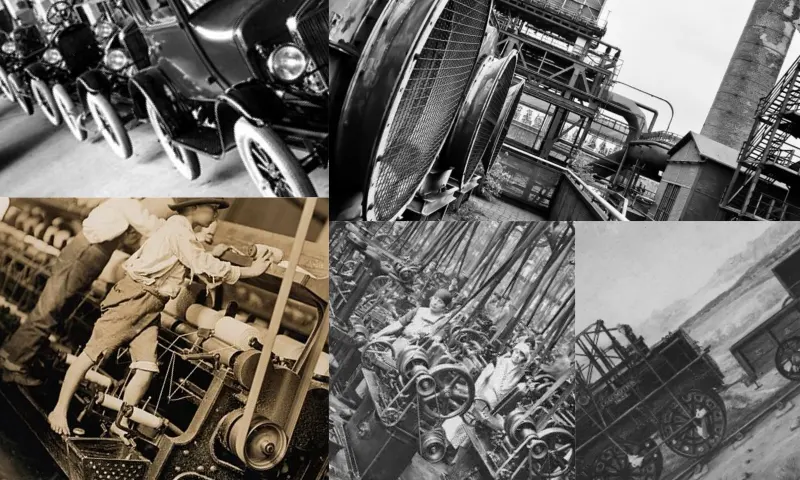
The Industrial Revolution is the name given to the process of economic and social transformation from agrarian economies and social structures to industrial economies and urbanization that emerged in the second half of the 18th century in Europe and America. As a result of the change, also called the Industrial Revolution, new and rapid production techniques were found, especially in textiles, mining, and other industrial sectors, and handmade products began to be produced faster and in greater quantities. Scientific developments that emerged in Europe during the Renaissance period prepared the groundwork for the Industrial Revolution. The French Revolution, which emerged in the 17th century, changed the political structure of Europe, and the transport of resources from the American continent to Europe and the economic and social developments that occurred on this continent; formed the social, economic, and scientific infrastructure for the Industrial Revolution in the 18th and 19th centuries. In order to get information on this subject and to ask questions you are curious about, you can look at the relevant online companies on the internet pages and examine them in detail from here.
The Invention of Steam Engines
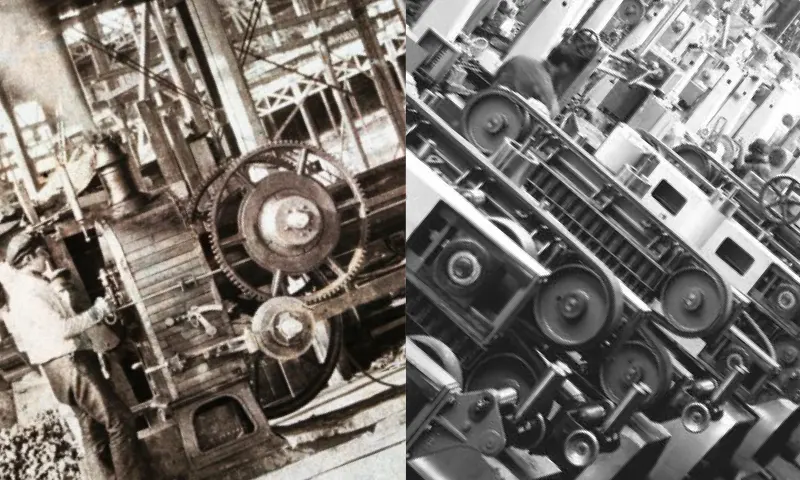
Undoubtedly, the invention of the steam engine marked the beginning of the era also known as Industrial Revolution 1.0. It played a significant role in changing the economic and social order of Europe and the entire world. With Thomas Newcomen preparing the first known modern steam engine prototype, the atmospheric steam engine emerged in the 1700s. Newcomen's purpose in building the steam engine was to reduce the water that emerged in the mines. Newcomen's invention was modified in the 1760s. As a result of the changes made by James Watt, the efficiency of the machine was increased by adding a new condenser to the steam engine. Subsequently, additions were made to the steam engine to provide rotational motion. With these innovations, the use of steam power in production such as flour, paper, cotton, ironworking, and alcohol production was paved. Steam engines require coal to operate. The increase in the need for coal led miners to search for coal at greater depths and increased the demand for cheap coal. As a result of the work that gave motion to steam engines, by the 1800s, Richard Trevithick introduced steam-powered locomotives. Steam-powered locomotives accelerated transportation and raw material transport.
Sociological Impact of the Industrial Revolution
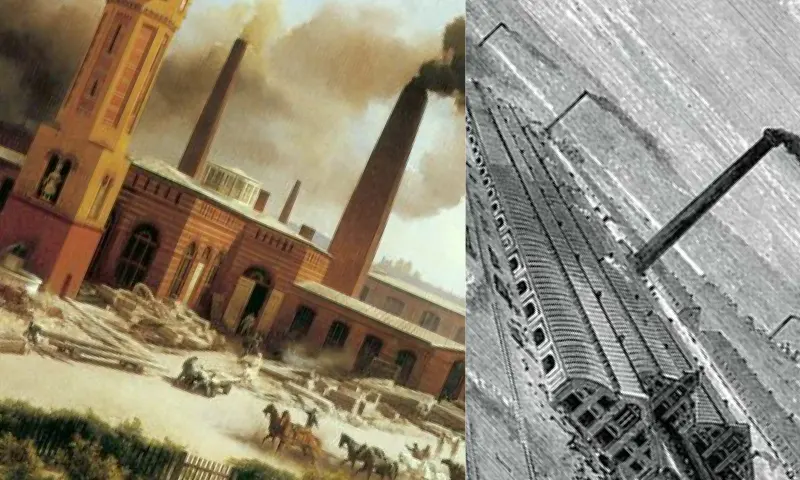
The migration towards cities, which was intense before the Industrial Revolution, accelerated after industrialization. With the acceleration of production and the growth of factories, small towns turned into large cities. Rapid urbanization and the resulting increase in population in cities led to pollution, inadequate health services, and difficulty in accessing clean water. The change in economic balances gave rise to the working class. The middle and upper classes emerged, and while the quality of life for these segments increased, the working class had to struggle hard to survive. The increase in mechanization in factories and the absence of a work safety system made work dangerous. The extremely rapid increase in urbanization led to an increase in cheap labor, devaluing labor. Long working hours, cheap and devalued labor, and an increase in worker deaths led to the emergence of a new social class. With the emergence of the working class, workers' rights and trade unions emerged, and the foundations of socialism were laid.